

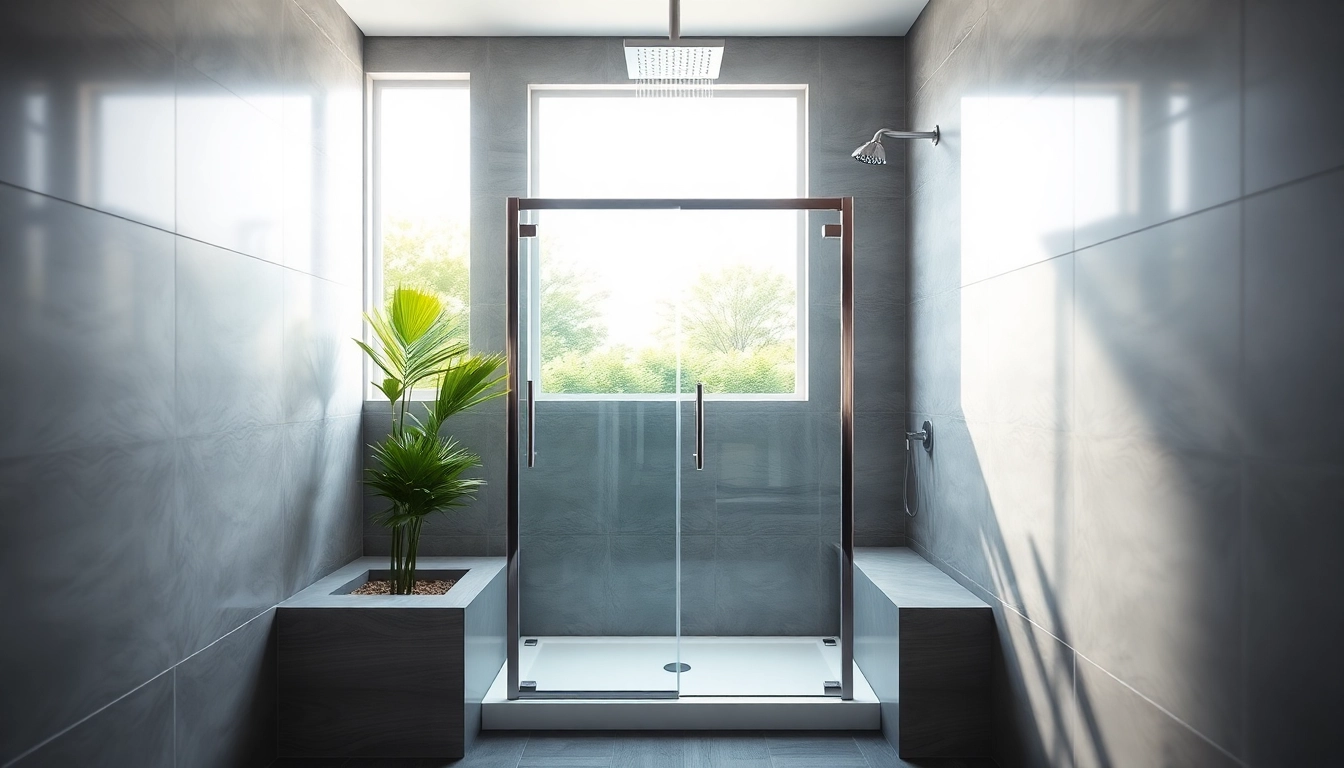
Understanding Shower Screens for Walk In Showers
What Are Shower Screens for Walk In Showers?
Shower screens for walk in showers are sleek, functional barriers designed to separate the shower area from the rest of the bathroom. They serve to prevent water from splashing outside the shower zone, providing a more contained and comfortable bathing experience. Unlike traditional shower curtains, which can cling to the body when wet, shower screens offer a solid partition that enhances the overall aesthetics of modern bathrooms.
Typically made from tempered glass, these screens come in various styles, sizes, and finishes, allowing homeowners to customize their wet spaces according to personal taste. The minimalist design of glass screens not only creates an illusion of a larger space but also contributes to a clean and contemporary look. For those seeking to enhance their bathroom design, shower screens for walk in showers offer a perfect blend of style and practicality.
Benefits of Using Shower Screens in Modern Bathrooms
The integration of shower screens in modern bathrooms offers numerous advantages. First and foremost, they provide an elegant and streamlined appearance, contributing to a sophisticated aesthetic. Additionally, glass shower screens are easy to clean, dramatically reducing the upkeep compared to fabric curtains that tend to trap grime and moisture.
Safety is another critical benefit; tempered glass is resistant to breakage and, in case of shattering, it crumbles into small pieces rather than sharp shards. Furthermore, shower screens effectively manage heat and humidity within the enclosed space, enhancing comfort and efficiency during showers. They also serve as a contemporary renovation tool, increasing the property value by enhancing the bathroom’s appeal to potential buyers.
Common Styles of Shower Screens
Shower screens for walk in showers come in various styles, allowing for design flexibility. Some of the most popular options include:
- Frameless Screens: These screens provide a sleek and modern finish with minimal hardware, emphasizing the transparency of the glass.
- Half-Wall Screens: This style mixes functionality and an open feel, as they act as both a barrier and a design element that creates a more spacious atmosphere.
- Sliding Screens: Ideal for compact spaces, sliding screens can easily be moved to allow for entry without taking up extra room.
- Bi-Fold Screens: These doors fold inwards to save space, allowing for an easy and stylish entry into the shower area.
- Curved Screens: Adding an element of design flair, curved screens can soften the appearance of a shower stall while offering effective splash protection.
Choosing the Right Shower Screen for Your Space
Factors to Consider When Selecting Shower Screens
When selecting shower screens for walk in showers, several essential factors should inform your decision. Start with the size of your bathroom and the available space for the shower area. Measure carefully to ensure that the screen fits well without crowding the surrounding area. Also, consider your existing bathroom decor – the style, color, and finishes of the screen should blend harmoniously with other design elements.
Accessibility is another aspect to consider; if multiple users will enjoy the shower, opt for a screen design that maximizes user-friendliness. Additionally, it’s wise to consider safety features, especially if children or elderly individuals are using the bathroom. Lastly, your budget constraints will play a significant role in determining the type and quality of the shower screen you select.
Design Considerations for Bathroom Aesthetics
The visual impact of shower screens extends beyond functionality; they significantly contribute to your bathroom’s overall aesthetic. To achieve a cohesive and attractive space, consider the following design elements:
- Color and Finish: Clear glass provides a timeless look, while frosted options offer privacy and a softer appearance. Choose a finish that complements your faucets, tiles, and cabinetry.
- Frame or Frameless: Frameless designs create a seamless look, giving the illusion of more space. However, framed options can introduce color and detail that adds character.
- Shapes and Lines: Soft curves can lend a relaxed vibe to your bathroom, while sharp lines may resonate with modern minimalism. Choose a design that reflects your personal style.
Material Options for Durability and Style
Material selection is crucial for the durability and stylistic appeal of shower screens. Commonly used materials include:
- Tempered Glass: Known for its strength and safety, tempered glass is an ideal choice for shower screens, able to withstand high temperatures and rapid changes in heat.
- Acrylic: Lightweight and affordable, acrylic screens are less prone to shattering but may scratch more easily than glass.
- Vinyl Composite: Often used for custom installations, vinyl composite screens can add color and texture but may have a shorter lifespan.
Consider how each material aligns with your bathroom’s style and the maintenance level you’re prepared to commit to when making your selection.
Installation Process for Shower Screens
Preparing Your Bathroom for Shower Screen Installation
Before you begin the installation of shower screens for walk in showers, it is paramount to prepare the bathroom adequately. Start by removing any obstructions near the shower area, including bathroom mats or decorative items. Check the walls and floors for levelness; an uneven surface can cause improper sealing and water leakage.
Gather all of your installation tools beforehand, including a drill, level, and silicone sealant, to ensure a smooth process. Installing shower screens typically requires the assistance of at least one other person due to the weight of the glass; ensure that you have help available. Always read the manufacturer’s instructions thoroughly before proceeding with the installation.
Step-by-Step Guide to Installing Shower Screens
The installation process can vary depending on the type and style of the shower screen, but a general step-by-step guide includes:
- Measure and Mark: Use a level to mark where the screen will be installed. Ensure that the measurements align with your bathroom’s dimensions.
- Install Wall Brackets: Following the manufacturer’s guidelines, secure any wall brackets with screws; this will support the glass.
- Position the Glass Screen: With assistance, carefully lift and position the shower screen between the brackets without scratching the glass.
- Secure the Screen: Tighten screws or clamps as per the instructions, ensuring the screen is firmly held in place.
- Seal Edges: Apply silicone sealant around all edges to prevent water leaks, smoothing it out with a finger for a clean finish.
- Final Checks: Once installed, check for any loose fittings and ensure that the glass slides or opens smoothly (if applicable).
Common Mistakes to Avoid During Installation
To have a successful installation, avoid these common mistakes:
- Skipping Measurements: Always double-check your measurements to avoid purchasing the wrong size screen.
- Poor Securing: Ensure that all brackets and fittings are secured tightly to prevent accidental falls.
- Neglecting Sealant: Properly sealing edges is crucial in preventing costly water damage caused by leaks.
- Overlooking Safety Precautions: Always wear protective gear and ensure that others in the vicinity are at a safe distance during installation.
Maintaining Your Shower Screens for Long-Lasting Use
Cleaning Tips for Shower Screens
To maintain the clarity and cleanliness of your shower screen, establish a regular cleaning routine. Use a soft cloth or sponge along with a gentle glass cleaner to avoid scratches. For best results, clean the screen after each use, ensuring that soap scum and water spots do not accumulate. For a deeper clean, utilize a mixture of vinegar and water to effectively remove stubborn deposits. Avoid abrasive cleaners that can damage the glass surface.
Preventing and Managing Hard Water Stains
Hard water stains can be a persistent issue in shower screens, especially in areas with high mineral content in the water. To combat this, consider installing a water softener to reduce mineral content. Regularly applying a water-repellent treatment on the glass can also help, as it creates a barrier that prevents minerals from sticking.
If stains begin to appear, use a non-abrasive cleaner or a mixture of baking soda and vinegar to scrub gently and restore the screen’s clarity. Prompt attention to stains will enhance the lifespan of your shower screens.
Regular Upkeep for Optimal Performance
Beyond cleaning, regular maintenance includes checking for loose fittings or wear on seals and brackets. Conduct inspections at least once a month to identify and address any potential issues before they escalate. Keeping track of any wear on moving parts or seals ensures that your shower screen continues to operate smoothly, prolonging its lifespan and maintaining its appearance.
Frequently Asked Questions About Shower Screens
Are shower screens for walk in showers easy to clean?
Yes, shower screens are generally easy to clean. Using a glass cleaner and a soft cloth will help maintain clarity and prevent soap scum buildup.
What is the best material for shower screens?
Tempered glass is the best material for shower screens as it offers durability, safety, and aesthetic appeal while being resistant to high temperatures.
Can I install shower screens myself?
While it’s possible to install shower screens yourself, having assistance and experience helps ensure a secure and correct installation.
How do I choose the right size for my shower screen?
Measure the shower area carefully, considering the height and width available. A good fit ensures no water escapes while maintaining aesthetic appeal.
What are the common designs for shower screens?
Common designs include frameless, sliding, bi-fold, half-wall, and curved screens, each offering unique benefits and styling options.
