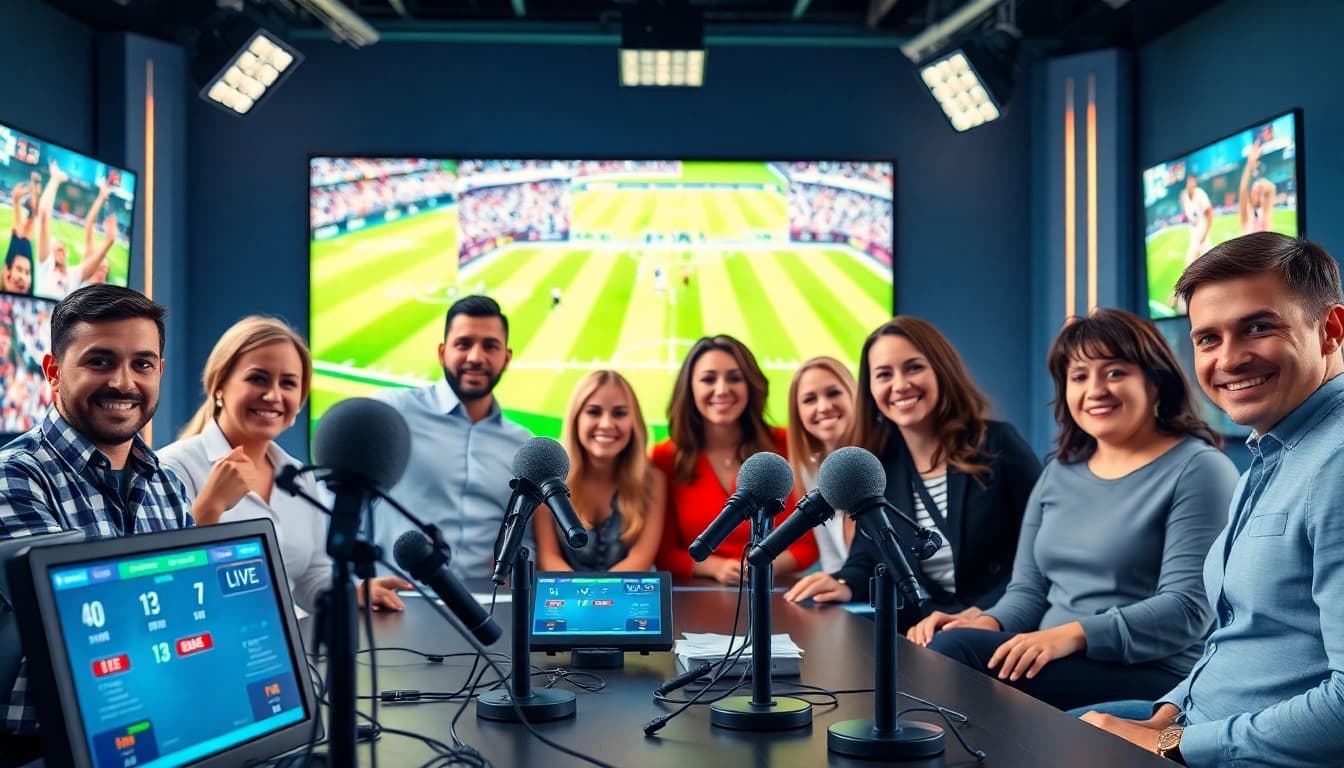
Understanding the Key Elements of Sports Broadcasting
The Evolution and Growth of Sports Broadcasting
Sports broadcasting has undergone a monumental transformation since its inception, evolving from radio broadcasts in the 1920s to today’s multi-platform streaming services. This progression underscores the growing importance of Sports Broadcasting in engaging audiences and shaping the way fans experience their favorite sports. The transition from black-and-white television sets to high-definition broadcasting and now to augmented reality sets the stage for a new era in fan engagement.
The introduction of live telecasting revolutionized how audiences consumed sports content, bringing thrilling moments to homes with unparalleled immediacy. The latter part of the 20th century witnessed the arrival of cable networks, leading to specialized sports channels that catered exclusively to sporting events. As the internet became more accessible, sports broadcasting expanded onto digital platforms, allowing for live streaming, on-demand content, and fan engagement through social media.
Historically, the sports broadcasting industry has been heavily influenced by technological advancements and shifts in consumer preferences. It’s been marked by several key milestones, including the first televised baseball game in 1939, the growth of cable sports channels in the 1980s, and the phenomena of social media platforms shaping fan interactions today. This dynamic environment shows no signs of slowing down, and as technology continues to grow, so will the avenues for sports broadcasting.
Essential Technologies in Modern Sports Broadcasting
Modern sports broadcasting relies on an array of advanced technologies to deliver high-quality content to viewers. Among these, high-definition (HD) and ultra-high-definition (UHD) cameras provide unparalleled image clarity, allowing audiences to feel closer to the action. Additionally, drones are becoming an increasingly popular tool for aerial shots and unique angles, enhancing the viewing experience.
Furthermore, graphics technologies that facilitate real-time scoring updates, player statistics, and immersive presentations are critical in keeping audiences engaged. Virtual reality (VR) and augmented reality (AR) technologies are gaining traction, offering fans the chance to experience live sports in new ways, such as viewing games from different angles or interacting with virtual environments.
Moreover, robust broadcasting infrastructure, including satellite and fiber-optic transmission, is crucial for distributing live feeds globally without significant delays or interruptions. As these technologies continue to advance, sports broadcasting is set to become even more interactive, allowing fans not just to watch but to experience sports in their own unique way.
The Role of Audience Interaction in Sports Broadcasting
Engagement is at the heart of sports broadcasting, and audience interaction plays a pivotal role in this context. Traditionally, commentators spoke directly to viewers, but with the rise of digital platforms, the narrative has evolved. Today, live polls, social media interactions, and audience-generated content are indispensable tools for enhancing viewer involvement.
Real-time analytics now allow broadcasters to understand viewer preferences better and tailor content accordingly. For instance, broadcasters often showcase tweets or Instagram posts from fans during games, creating a sense of community and real-time discussion around the event. This element of participation not only keeps viewers engaged but also builds loyalty among fan bases.
Furthermore, interactive features integrated into mobile applications enable fans to predict outcomes, participate in fantasy leagues, or even engage in discussions via live chat forums. This continuous dialogue elevates the broadcasting experience, making it more than just passive viewing while fostering a vibrant community around the sport.
Best Practices for Producing High-Quality Sports Broadcasts
Optimizing Sound and Visual Quality in Sports Broadcasting
Sound and visual quality are paramount in sports broadcasting, as they directly impact viewer retention and satisfaction. High-quality audio captures the excitement of the game, from the roar of the crowd to the precision of commentators. Using advanced microphone technologies and sound mixing techniques can significantly enhance audio quality, ensuring that every cheer and commentary is crystal clear.
On the visual front, utilizing high-resolution video cameras and effective lighting strategies is essential. Broadcasts should aim for high-definition or better, ensuring that every detail—such as player expressions, play strategies, and fan reactions—is vivid and clear. It’s also important to maintain a clear and engaging visual aesthetic by integrating consistent graphics and branding elements seamlessly throughout the broadcast.
Finally, thorough testing of technical equipment before the live broadcast is crucial. Being equipped to troubleshoot any potential issues ensures that unexpected interruptions don’t compromise the viewing experience.
Building a Strong Brand Identity in Sports Broadcasting
A strong brand identity in sports broadcasting not only distinguishes a network or platform from its competitors but also builds trust and loyalty among the viewer base. This can be achieved through consistent messaging, branding, and the establishment of unique voices within commentary teams.
Effective brand identity includes the integration of color schemes, logos, and messaging consistent across all platforms—TV, websites, and social media. Case studies show that networks which actively reinforce their brand identity through visuals and tone see higher levels of audience loyalty.
Additionally, investing in high-profile talent and commentators who resonate well with the audience can significantly elevate brand perception. Audience familiarity with these personalities often translates into trust in the brand, leading to higher viewership numbers over time.
Developing Compelling Storytelling Techniques for Sports Broadcasts
Storytelling is a crucial component of engaging sports broadcasting. Beyond reporting scores and statistics, conveying narratives about players, teams, and historical contexts creates a rich viewing experience. This involves building a storyline before, during, and after the game, enriching the sporting event with context and emotion.
Effective techniques include highlighting personal player stories, showcasing team rivalries, and framing matchups within larger historical narratives. For example, pre-game segments that detail a team’s journey through the season or special personal stories of players can captivate audiences more than the game stats alone.
Utilizing visual aids, such as infographics and player profiles, enhances storytelling by offering audiences a multi-dimensional view of the sports landscape. Strong storytelling not only elevates the broadcast’s quality but also strengthens the viewer’s connection to the sport.
Understanding Your Audience in Sports Broadcasting
Identifying Audience Demographics and Preferences
Understanding the audience is essential for successful sports broadcasting. Demographics such as age, gender, location, and socioeconomic status dictate the type of programming and engagement strategies that resonate with viewers. Recent studies indicate that younger audiences gravitate toward digital content such as live streaming and short-form videos, while older demographics may prefer traditional methods like televised programming.
Historical data can provide insights into audience preferences, revealing trends in viewership that can guide programmatic decisions. Coupled with social media analytics and viewer feedback, broadcasters can create tailored content that aligns with audience desires and habits.
Engaging audiences requires not only data analysis but also ongoing dialogue with viewers, understanding their interests and evolving preferences as the sporting landscape shifts.
Strategies to Engage Different Audience Segments
To effectively engage diverse audience segments, sports broadcasters should curate content that appeals to various tastes and preferences. This might include specialized segments focusing on underrepresented sports, distinct cultural perspectives, or specific age groups’ preferences.
Interactive elements such as polls, Q&As with players, and audience voting on coverages or match-up themes enhance engagement. Further, creating platforms for audience comments during broadcasts can lead to a richer, more engaged experience.
Programming strategies aiming to fulfill the interests of distinct segments—whether emphasizing in-depth analysis for hardcore fans or entertaining narratives for casual viewers—can broaden the appeal and foster community.
Measuring Audience Engagement and Feedback
Measuring audience engagement allows sports broadcasters to refine their content and improve viewer satisfaction over time. Utilizing metrics such as viewership numbers, social media engagement statistics, and audience feedback surveys helps in assessing what resonates and what doesn’t.
Advanced analytics tools offer insights into viewer behavior, including peak viewing times and preferred types of content, thus enabling broadcasters to optimize their schedules. Engaging with audiences on social media not only builds community but also provides direct feedback that can inform programming decisions.
Regularly reviewing engagement data and actively seeking audience feedback ensures that content is consistently aligned with viewer expectations, fostering lasting engagement.
The Role of Digital Platforms in Sports Broadcasting
Leveraging Social Media for Sports Broadcasting Success
Social media platforms have emerged as vital tools in the realm of sports broadcasting. They offer a dual benefit: acting as channels for content distribution while simultaneously engaging audiences directly. Leveraging platforms like Twitter, Instagram, and TikTok, broadcasters can share highlights, behind-the-scenes content, and real-time commentary that complements live events.
Moreover, user-generated content from fans provides additional layers of engagement, allowing for integration into broadcasts and enriching the viewing experience. Social media enables fans to share their perspectives, fostering a sense of community and facilitating discussions around games and players.
Strategically using social media not only enhances viewer interaction but can also drive viewership to traditional broadcasts, creating a holistic marketing approach that benefits both the broadcaster and the sports community.
The Impact of Streaming Services on Sports Broadcasting
The rise of streaming services has significantly altered the sports broadcasting landscape, offering viewers unprecedented access to diverse sporting events. Services like live streaming platforms provide flexibility, allowing fans to watch games on their terms, whether on smartphones, tablets, or smart TVs.
Additionally, many streaming services are incorporating original content—like documentaries, interviews, and exclusive behind-the-scenes footage—offering even more reasons for subscribers to engage. This content diversification paves the way for broadcasters to tap into new fan demographics who may seek content beyond standard game coverage.
Moreover, partnerships between traditional broadcasters and streaming platforms are increasingly common, allowing for broad-reaching distribution strategies and shared resources. These collaborations ensure that both live events and additional programming are accessible to a wider audience, catering to evolving consumption habits.
Future Trends in Digital Sports Broadcasting
The future of digital sports broadcasting is poised for remarkable innovations, driven by advancements in technology and shifts in consumer behavior. Artificial intelligence (AI) is anticipated to play a pivotal role in personalizing content delivery, tailoring viewing experiences based on individual preferences and viewing habits.
Expanded use of virtual and augmented reality is also expected, enhancing engagement by immersing fans in the sporting environment directly from their homes. Immersive experiences allow fans to feel as if they are part of the event, deepening their connection to the sport and the broadcaster.
As the technological landscape evolves, broadcasters will need to remain agile, adapting to these innovations while keeping the audience at the forefront of their strategies. Future investments will likely prioritize user experience, interactivity, and community building, ensuring long-term success in sports broadcasting.
Exploring the Future of Sports Broadcasting
Innovations Driving Change in Sports Broadcasting
Innovation is a cornerstone of change within sports broadcasting. Emerging technologies have the power to reshape how content is produced, delivered, and consumed. For instance, machine learning algorithms and data analytics tools are being deployed to customize advertisements and marketing strategies efficiently.
Additionally, automation in production processes can streamline broadcasts, enhancing efficiency and allowing broadcasters to focus on content quality rather than logistical challenges. Innovations in remote production technologies have further expanded capabilities, enabling broadcasters to cover events with minimal on-site presence while maintaining high-quality outputs.
Moreover, the rise of fan-controlled leagues showcases a radical departure from traditional broadcasting models, demonstrating how engagement and innovation can combine to revolutionize sports interaction.
The Importance of Ethics and Integrity in Sports Broadcasting
As the sports broadcasting landscape evolves, maintaining ethics and integrity remains essential for building trust with audiences. Transparency around sponsorships, clear distinctions between opinion and fact, and adherence to fair reporting practices are critical elements throughout the industry.
Additionally, sports broadcasters have a responsibility to address sensitive topics appropriately, ensuring accuracy and fairness in reporting on issues such as mental health, injuries, and player conduct. Upholding high journalistic standards not only protects the integrity of the broadcast but also establishes credibility among viewers, fostering loyalty and trust.
Furthermore, broadcasters should actively engage with their audiences regarding ethical practices, promoting conversation and accountability, which can enhance the overall trustworthiness of their organizations.
Career Opportunities in the Evolving Sports Broadcasting Landscape
The growth of the sports broadcasting industry presents numerous career opportunities spanning various roles. From production assistants to renowned sports anchors, the sector seeks individuals in both front-facing and behind-the-scenes positions.
Moreover, as technology advances, roles focused on digital content creation, social media management, and data analysis are becoming increasingly pivotal. These roles require diverse skill sets, blending traditional broadcasting knowledge with digital fluency and audience engagement expertise.
Networking during industry events, pursuing internships, and remaining open to continual learning can enhance job prospects in this dynamic field. As the landscape continues to evolve, fostering adaptability will be essential for long-term career success.
Frequently Asked Questions
What are the key trends in sports broadcasting?
Key trends include the rise of streaming services, increased audience interactivity via social media, and advanced technologies like AR and VR enhancing viewing experiences.
How does audience interaction impact sports broadcasts?
Audience interaction cultivates community, keeps viewers engaged through real-time discussions, and helps broadcasters tailor content to viewer preferences.
What technologies are essential for high-quality broadcasts?
Essential technologies include HD and UHD cameras, advanced sound equipment, drones for unique angles, and real-time graphics for enhanced engagement.
How can sports broadcasters measure audience engagement?
Metrics such as viewership numbers, social media engagement, and direct audience feedback surveys help assess and enhance audience engagement effectively.
What career opportunities exist in sports broadcasting?
Opportunities range from on-air talent and production staff to roles in digital content creation, social media management, and data analysis across various platforms.